
Search Texas White Pages
Texas White Pages give you a way to look up people across the state. You can search for names, phone numbers, and addresses tied to residents in all 254 Texas counties. The state keeps public records at both the county and state level, and many of those records are now searchable online. County clerks, district clerks, appraisal districts, and state agencies all hold data that feeds into White Pages results. Whether you need to find a current address, check a phone listing, or look up someone by name, Texas has a mix of free and paid tools that pull from official government sources.
Texas White Pages Overview
Texas White Pages State Databases
Texas runs several statewide databases that feed into White Pages lookups. The Texas Secretary of State SOSDirect system lets you search for business entities, trademarks, and service marks. Each search costs $1.00, and the results show the entity name, mailing address, registered agent, officers, and SOS file number. This is a good tool when you need to find who runs a business or where a company is based.
The Texas Comptroller Taxable Entity Search is free. You can look up any business registered for franchise tax in Texas. It shows the entity name, taxpayer number, mailing address, registered agent, and officer names. The Comptroller's database has over 2 million franchise tax records. You can search by entity name, taxpayer number, or SOS file number. For help, call the franchise tax line at 800-252-1381.
The Texas Courts website ties into district and county court records across the state. Texas has 485 district courts and 14 Courts of Appeals. The site links to case search tools that show party names, case status, and docket entries for many courts. The statewide eFileTexas system handles electronic filings, and the Office of Court Administration tracks court data.
Note: SOSDirect requires a prepaid account or credit card login at direct.sos.state.tx.us. The Comptroller search is free with no login needed.
How to Search Texas White Pages
Start with a name. That is the most basic Texas White Pages search. Most tools let you type in a first and last name and get back a list of matches. Some let you add a city or county to narrow things down. The more info you have, the better your results.
For property-based lookups, every county in Texas has an appraisal district that keeps records on who owns what. These records show the owner name, mailing address, property address, and tax details. You can search by owner name or by address to find who lives at a given spot. The Texas General Land Office holds over 35 million land documents and 80,000 maps going back to Spanish land grants. Their online map database at glo.texas.gov covers records from the 16th century to today.
For criminal records, the Texas DPS Crime Records Service compiles data from local agencies across the state. The Computerized Criminal History System and the Texas Public Sex Offender Registry are both searchable online. The sex offender registry shows names, aliases, dates of birth, and physical descriptions. The TDCJ Offender Search covers people in state prisons. You can look up inmates by name, SID number, or TDCJ number. Use an asterisk as a wildcard if you are not sure of the exact spelling.
Court records work well for people searches too. District clerks in each county keep civil and criminal case files. These records list party names and addresses. Many counties now offer online case search portals where you can look up anyone by name.
Texas State Search Portals
The SOSDirect portal at direct.sos.state.tx.us is the main entry point for business entity searches in Texas.
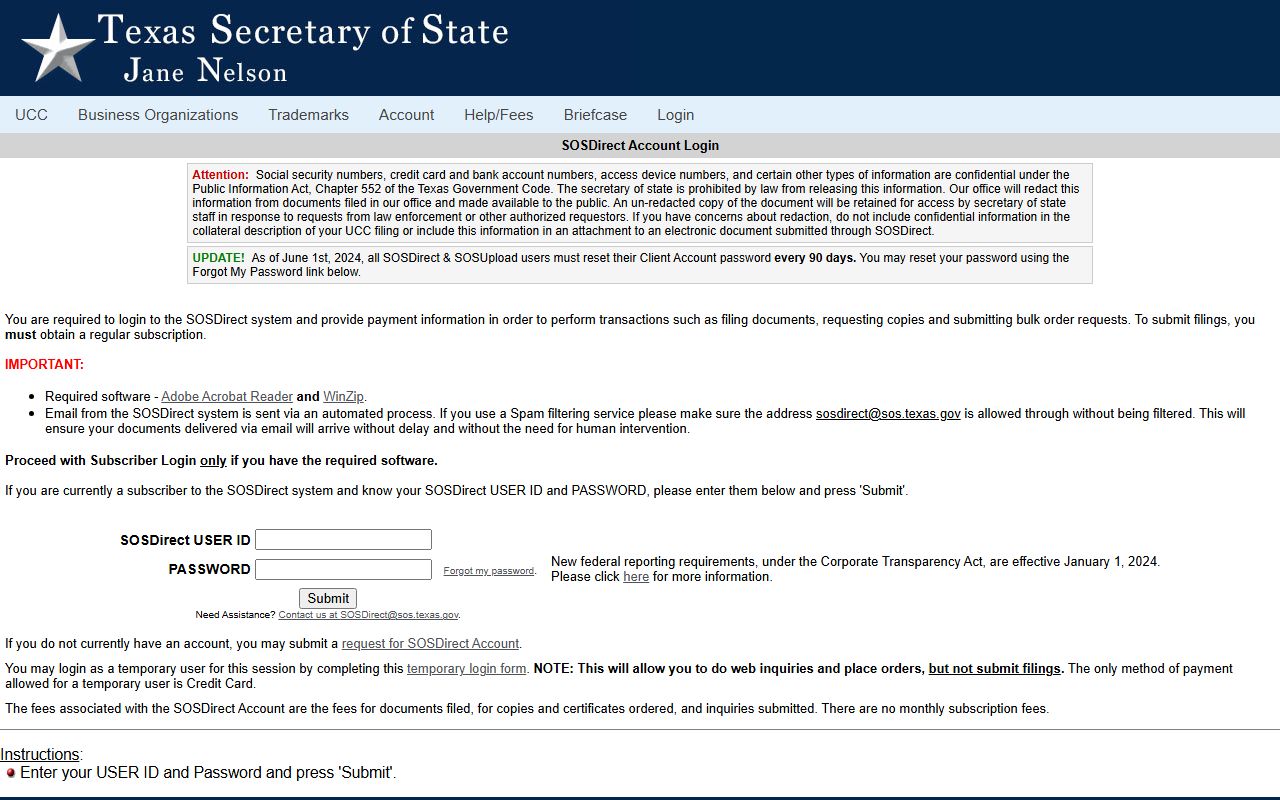
The search interface lets you type a business name and view results that include the entity's taxpayer number, mailing address, SOS registration status, and officer names.
The Texas Comptroller's office runs a separate free search tool for taxable entities. Visit mycpa.cpa.state.tx.us to check any business registered for franchise tax.
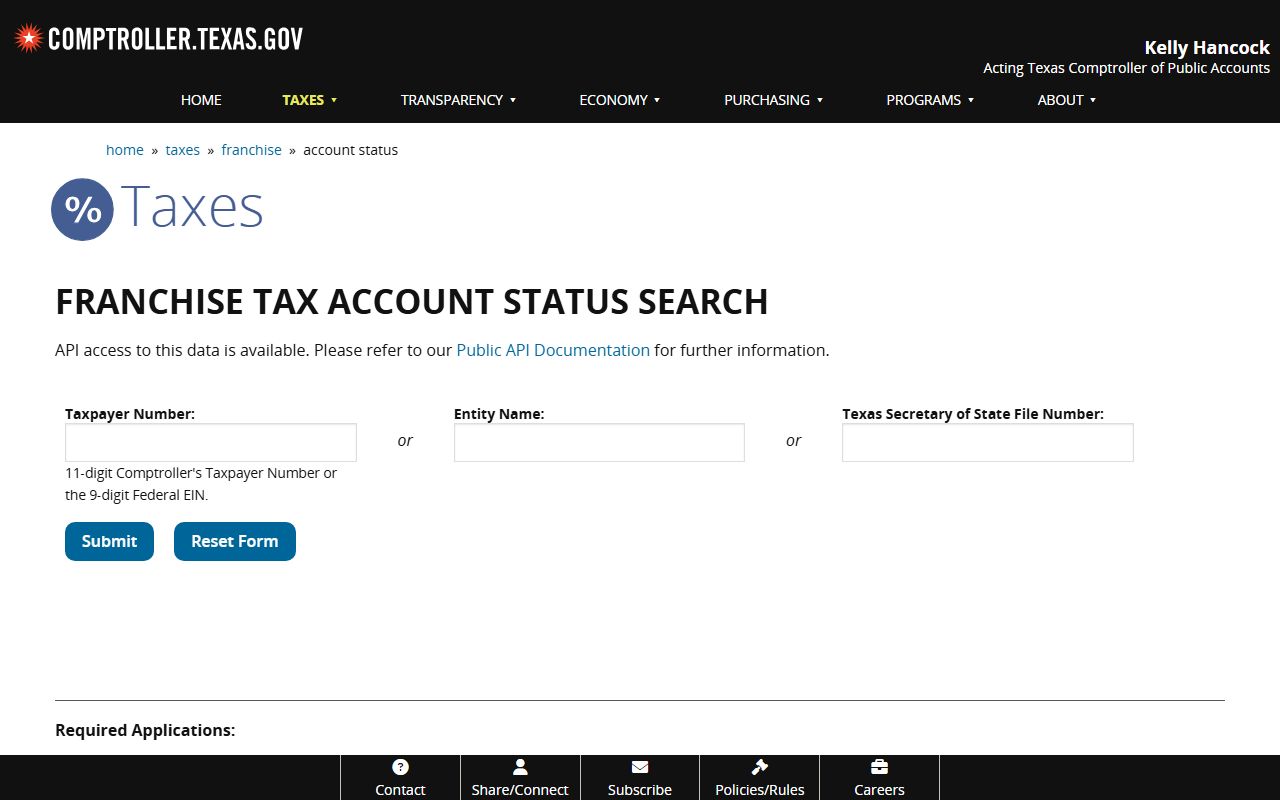
Results show the entity name, status, right to transact business in Texas, and formation state. Click the Details button to see officer information and registered agent data.
Texas White Pages and Public Records Law
The Texas Public Information Act in Government Code Chapter 552 says that government records are open to the public. The law starts from the idea that government works for the people, and the people have a right to know what their government is doing. Most records held by state and local agencies fall under this rule.
You do not need to give a reason to request public records in Texas. Anyone can ask. The agency has 10 business days to respond. They can either hand over the records, ask the Attorney General if an exception applies, or explain why the records are exempt. The Texas Attorney General's Open Government office handles disputes. Their hotline is (512) 478-6736 or toll-free at (877) 673-6839.
Common exceptions to disclosure include certain law enforcement records, personnel files, and information that would interfere with ongoing investigations. But most White Pages type data, like names, addresses, property records, and business filings, is public and freely available.
Texas Government Portal
The official Texas.gov portal connects you to hundreds of state services in one place.

From here you can access driver license services, vehicle registration, professional license checks, and public information request forms. The site also links to the state transparency tools run by the Comptroller, which show state spending, contracts, and payroll data.
The Texas DMV handles vehicle registration and title records. Title info is protected under the federal Driver's Privacy Protection Act, but the DMV site still offers registration renewal, dealer license checks, and specialty plate searches.

The DMV regulates over 20,000 motor vehicle dealers in Texas. Their dealer search tool lets you check a dealer license and look for enforcement actions.
Criminal Records in Texas White Pages
Criminal record searches are a big part of Texas White Pages results. The DPS Crime Records Service collects info from local agencies statewide and feeds it into national FBI databases.
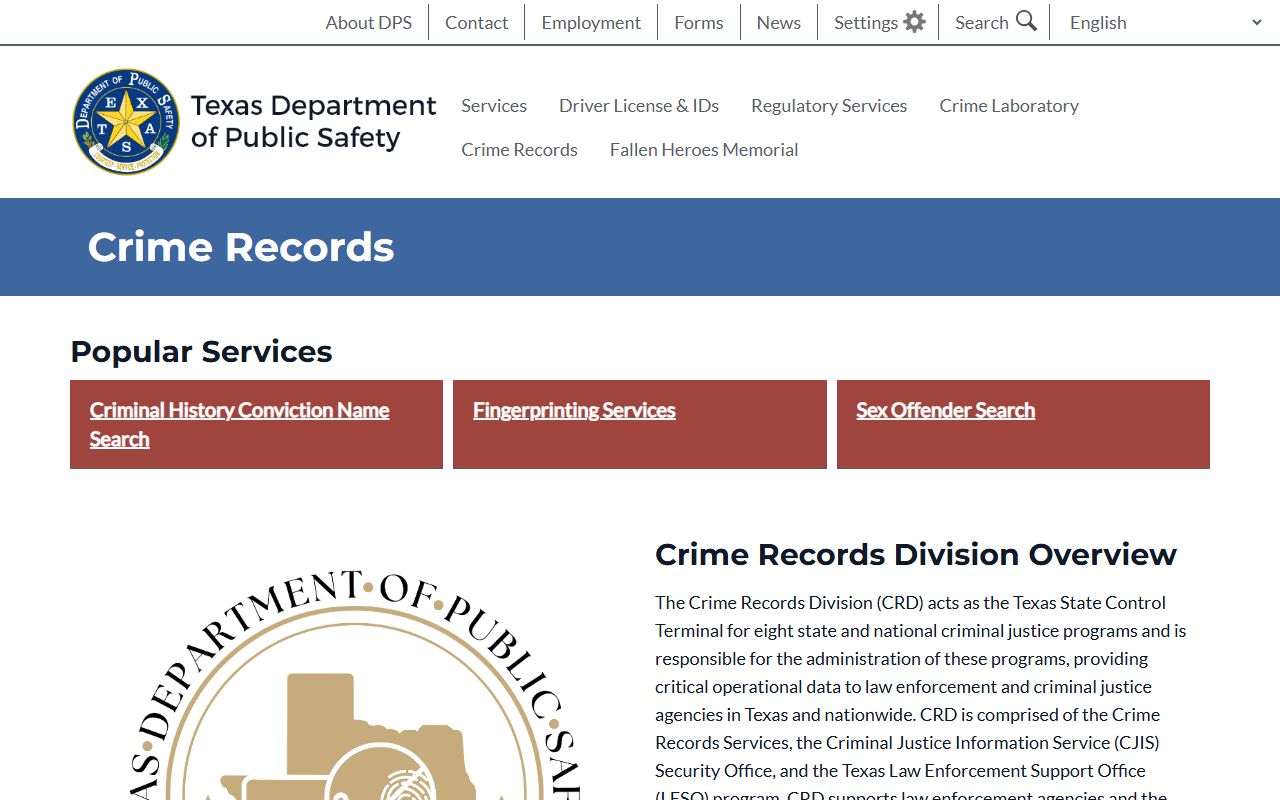
The Crime Records Division runs the Computerized Criminal History System for background data. The Texas Public Sex Offender Registry at dps.texas.gov shows names, aliases, birth dates, and physical details of registered offenders. State law makes most of this data freely available.
For state prison records, the TDCJ Offender Search at inmate.tdcj.texas.gov shows inmate location, offenses, and projected release dates. TDCJ runs dozens of prison units across Texas, from the Daniel Unit in Snyder to the Wynne Unit in Huntsville. You need at least a last name and first initial to search, or you can use a TDCJ number or SID number.
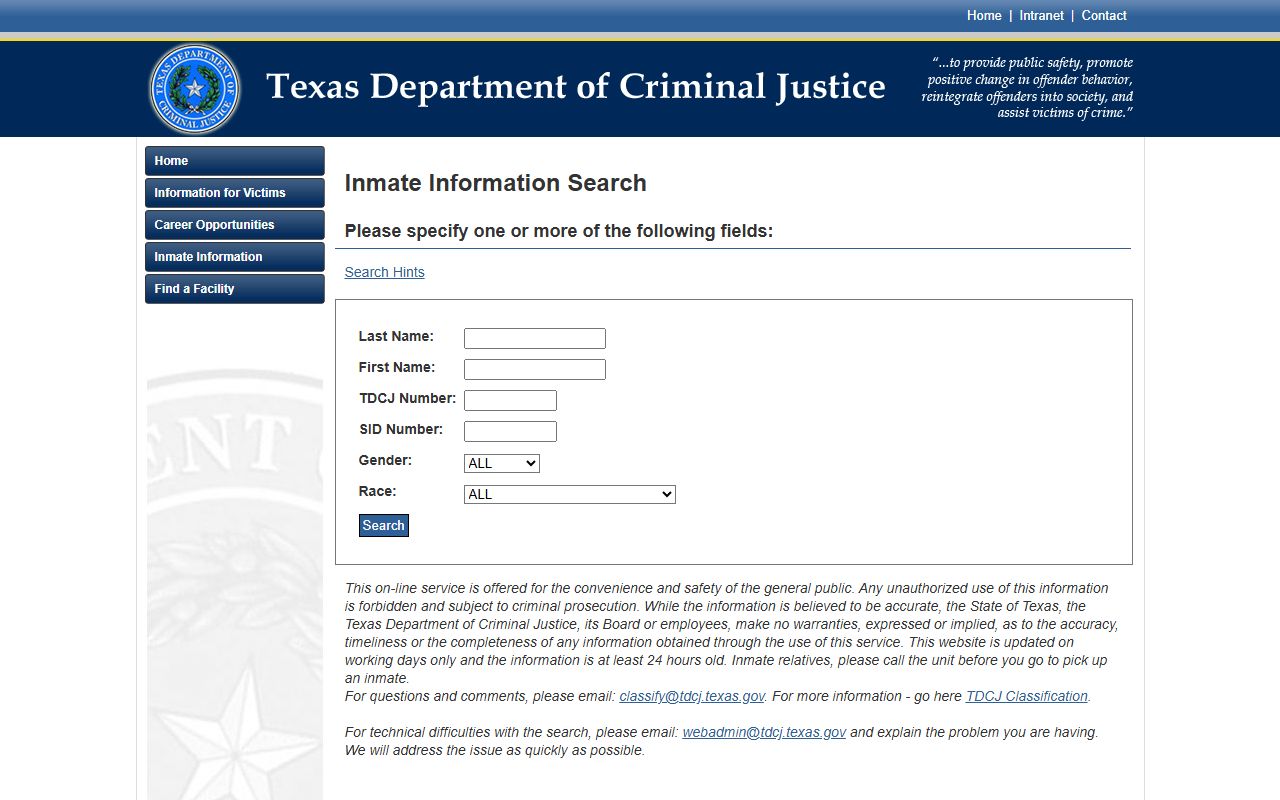
Click View Details on any result to see full offense information and subscribe to notifications about that offender.
Texas White Pages and Vital Records
Vital records can help fill in the blanks when you search Texas White Pages. The Texas Department of State Health Services keeps birth, death, marriage, and divorce records. Birth records are restricted for 75 years, but after that they become public. The vital records system goes back to 1903. Records before that may be at the county level or at the Texas State Library and Archives Commission.
The State Library holds a huge genealogy collection. Family histories, county histories, census records, military records, and Texas newspapers on microfilm are all in there. The Texas Digital Archive at tsl.access.preservica.com puts digitized photos, maps, documents, and audio-visual materials online. The Sam Houston Center in Liberty houses local government records from 28 counties in Southeast Texas.
The Texas Ethics Commission keeps campaign finance and lobbying records. You can search donations, expenditures, lobbyist registrations, and personal financial statements of state officials. This is public data that can help identify connections between people and organizations.
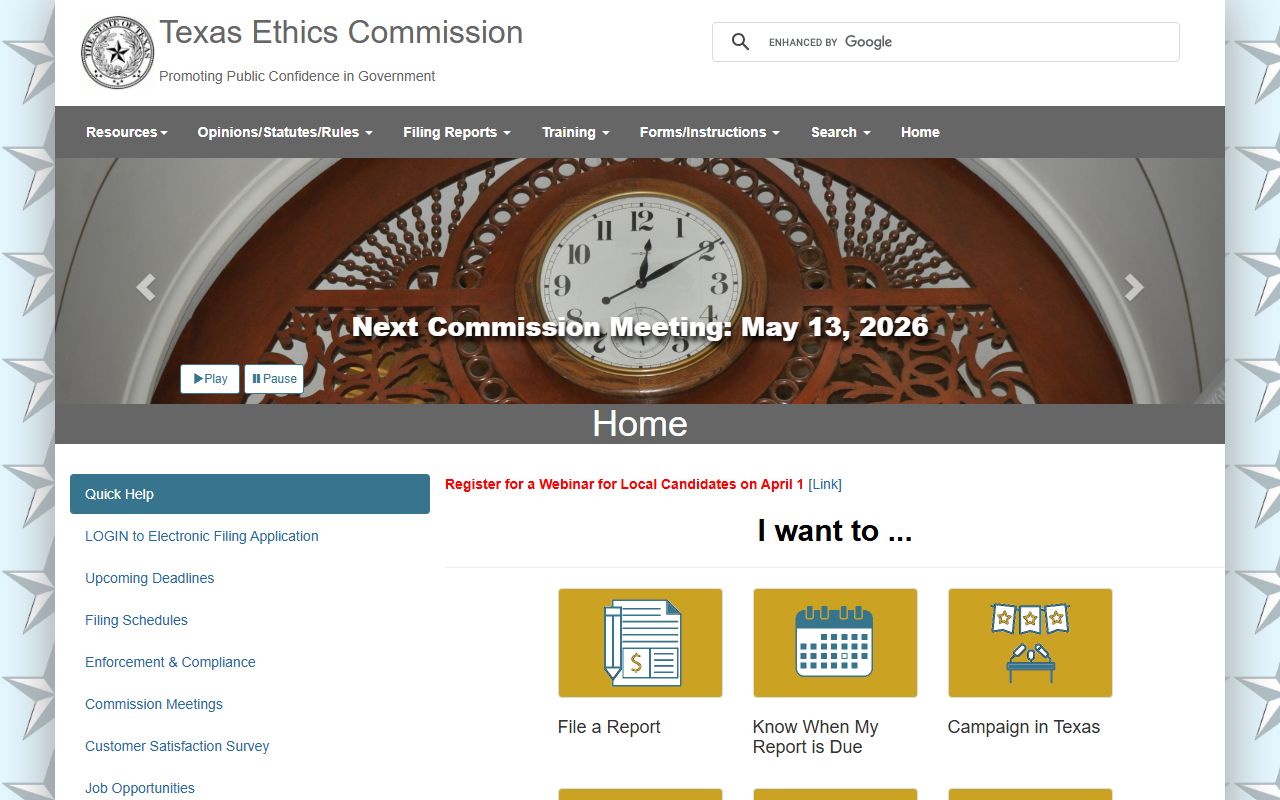
The campaign finance database lets you search by donor name, recipient, date range, or amount.
Property Records for White Pages Searches
Every county in Texas has an appraisal district and a county clerk that handle property records. These records are gold for White Pages searches. They show who owns a property, where the owner lives, and often the mailing address tied to the property. Under Texas Property Code Chapter 13, all real property instruments must be recorded to give public notice. The county clerk indexes everything by grantor and grantee names, so you can search by person.
The General Land Office is the oldest state agency in Texas, started in 1836. It manages 13 million acres of permanent school fund lands and holds the original land grant records going back to Spanish and Mexican rule. Their land grant database has over 80,000 records with scanned images of original documents.

The GLO also has an online records search for county clerk records that have been microfilmed, covering deeds, mortgages, liens, and other recorded instruments.
Note: County clerk deed records must be kept permanently under Texas law. Older deed books may also contain marriage property settlements, dower releases, and indenture papers.
How to Request White Pages Records in Texas
Under the Texas Public Information Act, you can request records from any state or local agency. The AG's office publishes a Public Information Act Handbook with detailed guidance. Sample request letters are on the Attorney General's website. Agencies can charge for copies if the request costs over $40, following rules set by the AG's office.

The Open Records Division processes thousands of requests each year. Their searchable database of previous Attorney General opinions helps clarify what is and is not public. Training videos and materials on the site are free.
The Public Information Act statute itself is in Government Code Chapter 552. Section 552.021 defines public information as anything written, produced, or maintained in connection with official government business. The presumption is that all government information is public unless a specific exception applies.
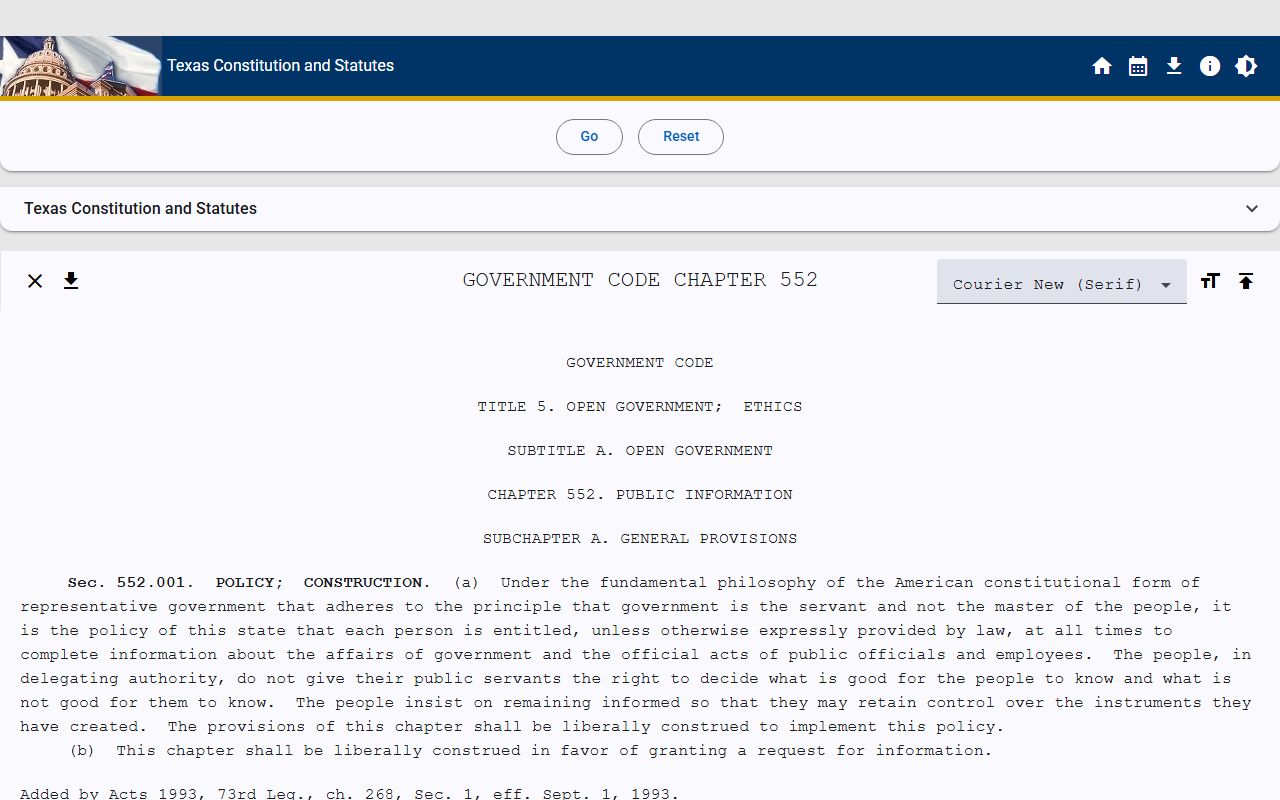
The law covers records from every level of Texas government, from state agencies down to county clerks and city offices.
Texas Courts White Pages Access
The Texas Judicial Branch website is the hub for court record searches.

Texas has a unified court system. The Supreme Court handles civil appeals. The Court of Criminal Appeals handles criminal cases. Below them sit 14 Courts of Appeals covering different regions, then the 485 district courts where most civil and criminal cases start. County courts handle misdemeanors and smaller civil matters. All of these courts produce records that include names and addresses.
Browse Texas White Pages by County
Each of Texas's 254 counties has its own clerk offices that keep public records. Pick a county below for local contact info and White Pages resources.
White Pages in Major Texas Cities
Residents in major cities can search White Pages using their county's records system. Pick a city to find which county handles records for that area.